
SRG-K HIGH TEMP WIRE

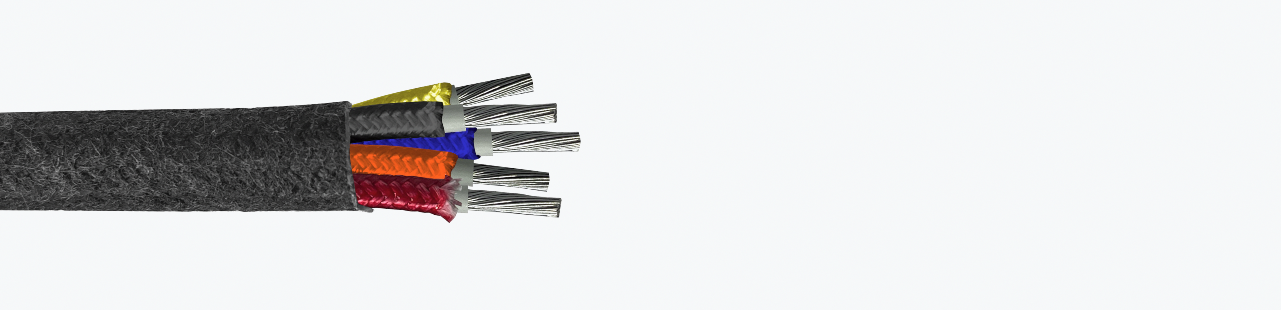
SRG-K is a premium high-temperature industrial wire designed for applications requiring both extreme thermal resistance and superior flexibility. The "K" designation refers to its Kevlar Braided Aramid K-Fiber, which provides superior cut-through and abrasion resistance. The insulation consists of a heavy-duty Silicone Rubber core protected by a closely woven fiberglass braid finished with a high-temperature saturant. Rated for continuous operation at 200°C and capable of handling 600V, SRG-K is the industry standard for environments where heat, moisture, and flexibility are all required simultaneously.

Have Questions?

Call Us. Icon

Call Us.

(833) 268-8644

Email Us

SRG-K is a premium industrial wire engineered for applications demanding both extreme thermal resistance and superior flexibility. It features a heavy-duty Silicone Rubber core, protected by a fiberglass braid and an outer Kevlar Braided Aramid K-Fiber for enhanced durability. This wire is rated for continuous operation at 200°C and 600V.

The letters in SRG-K denote its primary construction and materials:

  • S: Refers to the Silicone Rubber core insulation, known for its high-temperature resistance and flexibility.
  • RG: Indicates the Rubber Glass braid, which is a fiberglass braid covering the silicone rubber.
  • K: Stands for Kevlar Braided Aramid K-Fiber, providing superior cut-through and abrasion resistance to the outer covering.

SRG-K wire offers several critical advantages for demanding industrial environments:

  • Extreme Thermal Resistance: Rated for continuous operation up to 200°C.
  • Superior Flexibility: Its silicone rubber core and specialized construction allow for easy routing and installation.
  • Exceptional Abrasion and Cut Resistance: The Kevlar Braided Aramid K-Fiber outer covering provides robust mechanical protection.
  • Moisture and Chemical Resistance: Silicone formulations are suitable for moisture exposure, and the wire passes water absorption tests.

SRG-K wire is widely utilized in industrial settings where high heat, moisture, and flexibility are simultaneously required. Common applications include:

  • Steel and Glass Plants: For wiring in high-temperature zones.
  • Boilers and Steam Lines: Due to its heat and moisture resistance.
  • Chemical Processing Plants: Where chemical resistance is beneficial.
  • Motor Leads and Transformer Wiring: For electrical equipment operating under hazardous or high-temperature conditions.
  • Industrial Furnaces and Heating Appliances: As internal wiring.

SRG-K High Temp Wire is designed for demanding electrical applications. It is rated for continuous operation at 200°C (392°F). The voltage rating for this category of wire is 600V.

The Kevlar Braided Aramid K-Fiber outer covering is a critical component of SRG-K wire. It provides superior cut-through and abrasion resistance, significantly improving the wire's mechanical strength and durability in harsh industrial environments. This aramid fiber is exceptionally strong, offering protection against physical damage where other materials might fail.

Yes, SRG-K wire is suitable for environments with moisture exposure. Its silicone formulations are designed to handle UV, ozone, and moisture. Additionally, this wire passes the ICEA T-27-581 Water Absorption Test, confirming its resistance to water.

The exceptional flexibility of SRG-K wire is primarily due to its extruded silicone rubber insulating system and annealed tinned copper conductors. Silicone rubber is inherently soft and pliable, and the cable often utilizes a "Torque Free" design, which eliminates memory found in traditional twisted cables, making it easier to route in tight spaces.

SRG-K wire is designed to meet rigorous industry standards for safety and performance:

  • Flame Propagation: Passes NEMA WC 3 Flame Propagation Test.
  • Vertical Cable Tray Flame Test: Passes the IEEE-383 (modified) 210,000 BTU/hr Vertical Cable Tray Flame Test.
  • Water Absorption: Passes ICEA T-27-581 Water Absorption Test.
  • Environmental Compliance: It is RoHS Compliant.

Choosing the correct gauge involves assessing several factors to ensure optimal performance and safety:

  • Current-Carrying Capacity (Ampacity): The wire gauge must be sufficient to safely carry the maximum expected current without overheating.
  • Voltage Drop: For longer runs, consider voltage drop to ensure adequate power delivery.
  • Physical Space Constraints: Smaller gauges offer a reduced profile for tight installations.
  • Conductor Count: Determine the number of conductors needed for your specific control or power signals. SRG-K is available in various conductor counts. Consult with a wire and cable specialist to match the wire's specifications to your exact operational requirements.

Yes. We cut SRG-K cable by the foot and orders ship within 1 to 2 days from our distribution centers to keep your project on schedule.

Call Us. Icon

Call Us.

(833) 268-8644

Email Us

SRG-K High-Temperature Wire (600V)

Designed for mission-critical applications, SRG-K is a high-performance 600V industrial conductor built for environments where extreme heat and constant flexibility are essential. The "K" designation represents the Aramid K-Fiber (Kevlar-Fiber) which provides superior cut-through and abrasion resistance. By pairing a high-dielectric silicone rubber insulation with a rugged, saturant-treated fiberglass braid, SRG-K ensures consistent electrical performance in temperatures ranging from -60°C to 200°C. It remains the professional choice for wiring industrial furnaces, heavy-duty motor leads, and heating elements subject to severe thermal stress.

Installation Note: When terminating SRG-K, always use non-insulated high-temperature terminals (brazed or nickel-plated) to match the wire's 200°C rating, as standard plastic-insulated lugs will fail. To prevent the fiberglass braid from fraying after cutting, apply a small section of high-temp heat shrink or fiberglass tape at the termination point. Additionally, because silicone insulation is more susceptible to "tearing" than nylon-jacketed wire, ensure all conduit bushings are installed to avoid dragging the wire over sharp edges during the pull.
Key Features
  • 200°C Thermal Rating: Engineered to maintain electrical integrity in ambient temperatures that would destroy standard PVC or XLPE wiring.
  • Silicone Rubber Insulation: Offers excellent dielectric strength and remains pliable in extreme cold (-60°C) as well as extreme heat.
  • Fiberglass Braid Jacket: Provides a rugged outer layer that protects the silicone core from mechanical abrasion, fraying, and accidental contact with hot surfaces.
  • 600V Industrial Grade: Fully rated for primary power and control circuits in heavy-duty machinery.
  • Chemical & Flame Resistance: The silicone/fiberglass combination is naturally flame-retardant and resists many common industrial oils and solvents.
Common Applications
  • Industrial Ovens & Furnaces: The primary wiring for heating elements and sensors in commercial baking and heat-treating facilities.
  • Motor Lead Wire: Used as flexible leads for high-efficiency motors (Class H) that run at elevated internal temperatures.
  • Commercial Kitchen Equipment: Internal wiring for industrial ranges, fryers, and steam tables.
  • Plastic Injection Molding: Providing power to heater bands and thermocouples on molding machines.
  • Drying & Curing Equipment: Used in automotive paint booths and textile drying racks.
  • Lighting Fixtures: Wiring for high-intensity discharge (HID) lamps and commercial kilns.
  • Steel & Glass Manufacturing: Routing control signals near molten material processing lines.


Resources & Guides

What is Silicone Rubber Insulation?
January 05, 2026
Read More about What is Silicone Rubber Insulation?
Category_Buying Guide
What is SRML High Temp Wire?
November 25, 2025
Read More about What is SRML High Temp Wire?
Category_Buying Guide
What is TGGT High Temp Wire?
August 01, 2026
Read More about What is TGGT High Temp Wire?
Category_Buying Guide
TGGT vs. MG: Which High-Temperature Wire Do You Need?
January 03, 2026
Read More about TGGT vs. MG: Which High-Temperature Wire Do You Need?